Solution to ecological devastation of Peatlands with just one small change

Updated: Mar 3
Alpaca Gold in Planters and Garden Boxes: A Biochar-Rich Alternative to Peat Moss

If you grow in containers, raised beds, or garden boxes, your soil mix does a lot of heavy lifting. It has to hold moisture without becoming soggy, feed plants without constant correction, and stay airy enough for roots to thrive. Traditionally, many mixes rely on peat moss to do that job. However, peat comes from peatlands—ecosystems that take thousands of years to form and are vital for carbon storage, biodiversity, and water regulation.
That’s why more growers are looking for peat-reducing options. Alpaca Gold, formulated with 45% biochar, is one of those alternatives. It is designed to support healthy root zones while helping reduce reliance on peat-based products.
Why Peatlands Matter (and Why Peat Alternatives Are Growing)
Peatlands are some of the planet’s most effective natural carbon stores. When peatlands are drained and harvested for peat, several negative consequences occur:
Carbon is released as the peat oxidizes and decomposes.
Habitats are damaged for specialized plants and wildlife.
Water systems change, reducing natural filtration and flood buffering.
Recovery is slow because peat forms over centuries to millennia.
Choosing peat-reducing mixes is a practical way to lower demand for an ingredient tied to long-term ecosystem loss.
What Makes Alpaca Gold Different?
Alpaca Gold includes 45% biochar—a stable, carbon-rich material made by heating biomass in low oxygen. In growing media, biochar is valued for its porous structure, which can help with:
Aeration and drainage (less compaction over time)
Moisture management (holding water while keeping air pockets)
Nutrient retention (helping reduce leaching in containers)
Long-term soil structure (biochar doesn’t break down quickly)
Best Uses: Planters, Pots, and Containers
Containers are where peat is most commonly used, making them one of the best places to make a switch.
How Alpaca Gold Can Help in Planters
Keeps mixes lighter and more breathable.
Helps reduce the “wet brick” problem that can happen as mixes settle.
Supports more even moisture between waterings.
Where It Shines
Patio planters (flowers, herbs, peppers, tomatoes)
Indoor containers (houseplants that prefer airy mixes)
Hanging baskets (where drainage and weight matter)
Tip: Because biochar-rich mixes can hold and release water differently than peat-heavy mixes, check moisture with your finger or a moisture meter for the first couple of weeks. Adjust watering slightly as needed.
Raised Beds and Garden Boxes
Garden boxes and raised beds are ideal for building better soil over time. Unlike small pots, you have enough volume to create a layered, resilient root zone. Biochar can contribute to long-term structure.
How Alpaca Gold Can Help in Garden Boxes
Improves soil tilth (the crumbly structure that roots love).
Helps beds stay less compacted through the season.
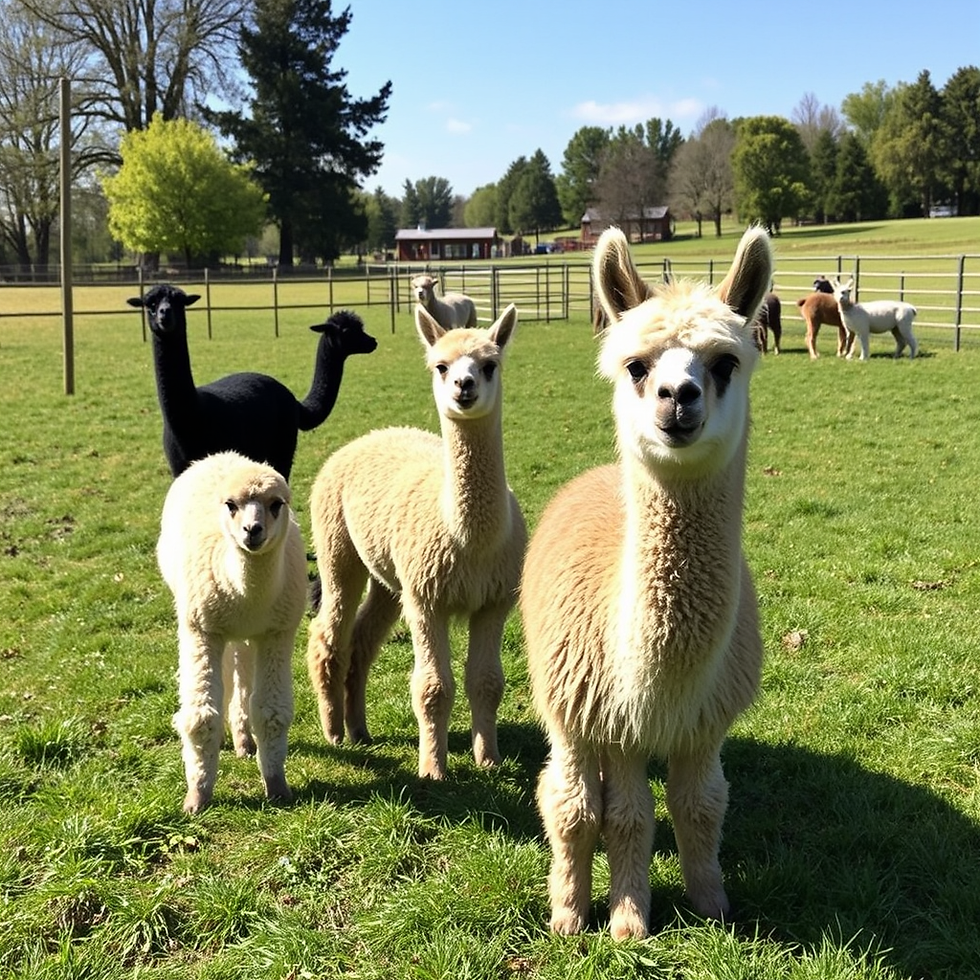
Supports nutrient efficiency, especially when paired with compost that has already been added with Alpaca manure and waste fibre.

Great For
Leafy greens and salad beds
Strawberries
Root crops (when the overall mix is loose and stone-free)
Mixed vegetable boxes
Tip: In raised beds, pair Alpaca Gold with compost and a mineral component (like native soil or quality topsoil) so the bed has both biology and body—not just light organic material.
A Simple Approach for Each Setup (No Complicated Math)
If you’re transitioning away from peat, think in terms of building a mix that has:
Structure and air space (where Alpaca Gold can help).
Biology and nutrients (included in our mix).
Bulk/minerals (topsoil or native soil for beds; bark/coir/perlite for containers depending on your style).
Conclusion: Embrace Sustainable Gardening
Switching to biochar-rich alternatives like Alpaca Gold is not just beneficial for your plants; it’s a step towards more sustainable gardening practices. By reducing reliance on peat, we can help protect vital ecosystems and promote healthier soil.
Let’s work together to enrich our gardens while being kind to our planet. Have you tried using Alpaca Gold in your gardening? Share your thoughts in our comments section!


Comments